
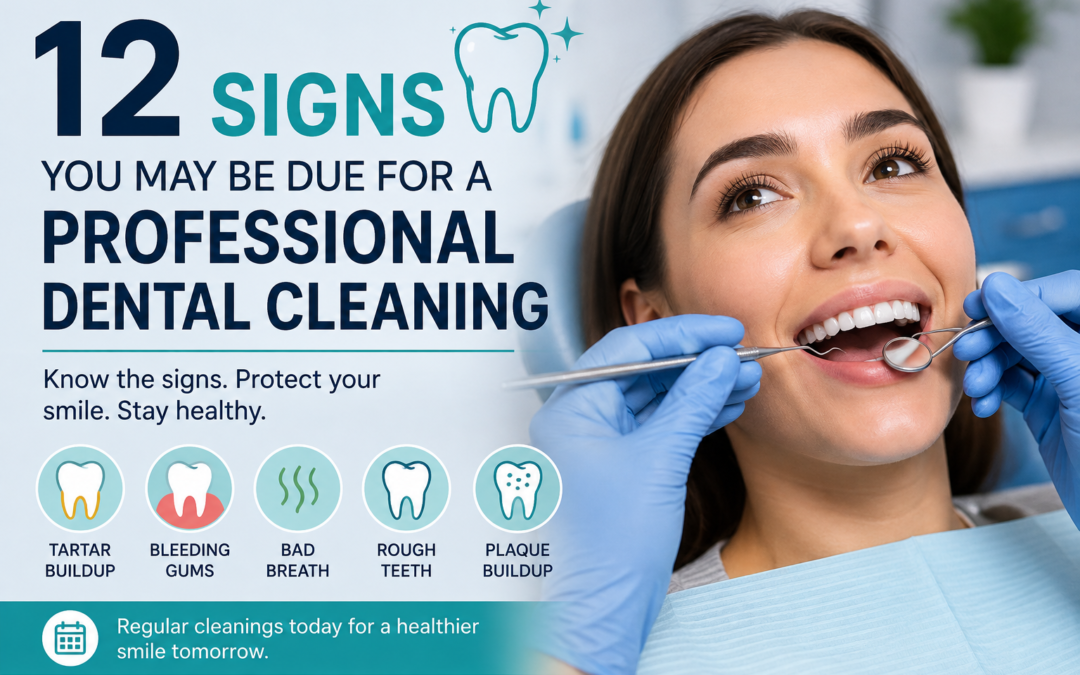
You may be due for a professional dental cleaning if you notice visible tartar, persistent bad breath, bleeding or swollen gums, rough-feeling teeth, increased plaque buildup, or stains that brushing doesn’t remove. Even without noticeable symptoms, regular dental prophylaxis helps remove hardened deposits and support healthy teeth and gums.
Brushing twice a day and flossing daily are essential, but they cannot remove every buildup from your teeth. Over time, plaque can harden into tartar, particularly along the gumline and in areas that are difficult to reach at home.
If you’re searching for dental cleaning in Bensalem, understanding the signs that you’re due for an appointment can help you stay proactive about your oral health.
Why Professional Dental Cleanings are Important
A professional cleaning does more than make your teeth feel smooth and fresh. It removes plaque and tartar that regular brushing and flossing may leave behind, particularly in hard-to-reach areas.
Regular cleanings can also give your dental team an opportunity to identify changes in your teeth and gums before they become more serious.
Plaque Can Harden Into Tartar
Plaque is a sticky film of bacteria that constantly forms on your teeth. Daily brushing and flossing help control it, but plaque that remains can harden into tartar.
Once tartar forms, brushing alone generally can’t remove it. Professional cleaning allows dental professionals to safely remove these hardened deposits.
Cleanings Support Healthy Gums
Tartar and plaque can accumulate around the gumline and contribute to gum irritation. You may notice redness, swelling, or bleeding when brushing or flossing.
Keeping up with professional teeth cleaning can help control deposits and support healthier gums as part of your overall preventive dental care routine.
12 Signs Your Teeth May Need a Professional Cleaning
Your teeth don’t always give you an obvious warning when it’s time for a professional cleaning. Some signs, such as visible tartar or bleeding gums, are easy to notice, while others can be subtle. Paying attention to these changes can help you know when it’s time to schedule an appointment.
1. You Notice Visible Tartar Buildup
One of the clearest signs that you may be due for a professional cleaning is visible tartar on your teeth.
Tartar can appear as a yellowish, brownish, or hardened deposit, often around the gumline or behind the lower front teeth. It cannot be removed with a toothbrush.
Plaque vs. Tartar
| Plaque | Tartar |
| Soft and sticky | Hardened deposit |
| Forms continuously | Develops when plaque hardens |
| Can be controlled with brushing and flossing | Requires professional removal |
| Can accumulate along the gumline | Often forms around or below the gumline |
If you’re noticing tartar despite maintaining your daily oral hygiene routine, a professional dental cleaning can remove the buildup and help you get back to a cleaner baseline.
2. Your Gums Bleed When You Brush or Floss
Occasional gum bleeding shouldn’t automatically be dismissed as normal. Bleeding can occur when plaque and tartar irritate the gum tissue, particularly around the gumline.
You may also notice:
- Red or swollen gums
- Tenderness while brushing
- Bleeding when flossing
- Increased sensitivity around the gumline
A professional cleaning can remove plaque and tartar contributing to gum irritation. Your dentist can also determine whether the bleeding is related to simple plaque buildup or requires further evaluation.
If bleeding continues despite improved oral hygiene, schedule a dental examination rather than simply assuming you need to brush harder.
3. Your Breath Stays Bad Even After Brushing
Persistent bad breath can sometimes be linked to bacteria, plaque, tartar, or food particles that remain in areas your toothbrush cannot effectively reach.
If you’ve brushed, flossed, and used mouthwash but still notice ongoing bad breath, it may be worth scheduling a dental cleaning.
During your appointment, your dental team can evaluate your teeth and gums and determine whether oral buildup may be contributing to the problem.
A cleaning may help remove deposits that contribute to unpleasant odors, while a dental examination can identify other potential causes that may need attention.
4. Your Teeth Feel Rough or Fuzzy
Your teeth should generally feel smooth after brushing. If they develop a rough, fuzzy, or coated feeling shortly after cleaning them, plaque may be accumulating on the tooth surfaces.
Some areas can be especially difficult to clean thoroughly, including:
- Behind the lower front teeth
- Between teeth
- Along the gumline
- Around dental restorations
A professional cleaning can remove buildup from these areas and leave your teeth feeling smoother.
5. Your Teeth Look Yellow or Stained
Not all tooth discoloration means you need professional whitening. Sometimes what looks like yellowing is related to plaque, tartar, or surface stains that have accumulated over time.
Common sources of surface staining include:
- Coffee
- Tea
- Red wine
- Tobacco
- Dark-colored foods and beverages
A professional dental cleaning can remove plaque, tartar, and certain surface stains. However, cleaning and whitening are different treatments.
If your teeth remain discolored after cleaning, you may want to explore teeth whitening to address the appearance of certain types of discoloration.
The important distinction is that a cleaning focuses on oral health and buildup, while whitening is a cosmetic treatment intended to brighten tooth color.
6. You Haven’t Had a Dental Cleaning in Six Months or More
If you can’t remember your last professional dental cleaning, it may be time to schedule an appointment. Many people use six months as a general benchmark for routine cleanings, although the ideal frequency depends on your individual oral health.
Some patients may benefit from more frequent visits, particularly those with:
- A history of gum disease
- Frequent cavities
- Heavy tartar buildup
- Smoking or tobacco use
- Dry mouth
- Difficulty maintaining consistent oral hygiene
Your dentist can recommend a cleaning schedule based on your specific needs rather than relying on a one-size-fits-all timeline.
7. Food Keeps Getting Stuck Between Your Teeth
Do you constantly find yourself picking food out from between the same teeth? Persistent food buildup can make certain areas more susceptible to plaque accumulation.
Food can become trapped around:
- Tight spaces between teeth
- Crowded teeth
- Dental fillings or crowns
- Areas with gum recession
- Spaces created by missing teeth
Daily flossing helps remove food and plaque between appointments, but if food continues to get trapped in the same location, mention it during your next dental visit. Your dentist in Bensalem can determine whether the area simply needs more thorough cleaning or if an underlying dental concern needs attention.
8. Your Gums Look Red, Swollen, or Tender
Healthy gums generally appear firm and pink. Redness, swelling, or tenderness can indicate irritation along the gumline.
Plaque and tartar buildup are common contributors to gum inflammation. When these deposits remain around the teeth, they can irritate the surrounding tissue.
You may notice:
- Redness around the gumline
- Puffy or swollen gums
- Tenderness while brushing
- Bleeding during flossing
- Changes in the way your gums fit around your teeth
A dental cleaning can remove plaque and tartar contributing to irritation. Your dentist can also evaluate your gums and determine if additional treatment is necessary.
9. You Notice More Plaque Despite Regular Brushing
Brushing twice a day is an important part of maintaining good oral hygiene, but some areas are simply harder to clean than others.
Plaque may accumulate around:
- The back surfaces of your teeth
- Along the gumline
- Between teeth
- Behind your lower front teeth
- Around dental restorations
If you consistently notice buildup despite brushing and flossing, a professional cleaning can help remove deposits from areas that are difficult to reach at home.
This is one reason dental prophylaxis remains an important part of preventive dental care. Professional cleaning complements your daily routine rather than replacing it.
10. You Have a History of Cavities or Gum Disease
Your past dental history can also influence how frequently you need professional cleanings.
Patients who have previously experienced cavities or gum disease may benefit from staying especially consistent with preventive appointments. Regular cleanings help control plaque and tartar buildup, while dental examinations allow your dentist to monitor changes in your oral health.
If you have a history of gum problems, your dentist may recommend a cleaning schedule that differs from the traditional twice-a-year approach.
Keeping up with preventive dentistry can help you stay ahead of developing oral health concerns.
11. Your Teeth Feel Sensitive, or Your Gums Are Receding
Tooth sensitivity doesn’t automatically mean you need a cleaning, but it’s a reason to have your teeth and gums evaluated.
Sensitivity can have several possible causes, including:
- Gum recession
- Enamel erosion
- Cavities
- Cracked teeth
- Exposed tooth roots
- Certain dental treatments
Receding gums can also make your teeth appear longer and expose areas that are more sensitive to hot, cold, or sweet foods.
A professional evaluation can help determine what’s causing your sensitivity and whether a cleaning, preventive care, or another dental treatment is appropriate.
12. You Can’t Remember Your Last Dental Cleaning
Sometimes the simplest sign is the most obvious: you don’t remember when you last had your teeth professionally cleaned.
It’s easy to postpone routine appointments when your teeth don’t hurt. However, many oral health problems can develop without noticeable symptoms in their early stages.
A routine professional dental cleaning gives your dental team an opportunity to:
- Remove accumulated plaque and tartar.
- Clean areas that are difficult to reach at home.
- Check the condition of your gums.
- Identify potential oral health concerns.
- Recommend improvements to your home-care routine.
If it’s been a long time since your last appointment, you don’t need to feel embarrassed. Scheduling a cleaning is simply a practical step toward getting your oral health routine back on track.
What Happens During a Professional Dental Cleaning?
Knowing what to expect can make scheduling your next dental cleaning in Bensalem feel much easier. A routine cleaning generally involves several steps focused on removing buildup and supporting your oral health.
Dental Examination
Your dental team first examines your teeth and gums to identify areas that may require additional attention.
Plaque and Tartar Removal
Using specialized dental instruments, the hygienist removes plaque and hardened tartar from your teeth, particularly around the gumline and other difficult-to-reach areas.
Tooth Polishing
After scaling, your teeth are polished to help remove certain surface stains and leave the enamel feeling smooth.
Flossing
Flossing helps clean between your teeth and remove any remaining debris or residue.
Oral Health Recommendations
Your dental team may provide personalized recommendations for brushing, flossing, and other aspects of your daily oral hygiene routine.
The exact process can vary depending on your oral health and the type of cleaning you need. A routine cleaning is different from a deep cleaning used to treat certain forms of gum disease, so your dentist will recommend the appropriate approach based on your needs.
How Often Should You Get a Professional Dental Cleaning?
The right cleaning schedule depends on your oral health, not simply the calendar. Many people are advised to have a professional dental cleaning every six months, but your dentist may recommend more frequent visits if you have specific risk factors.
You may need more frequent cleanings if you:
- Have a history of gum disease.
- Develop tartar quickly.
- Have frequent cavities.
- Smoke or use tobacco products.
- Have difficulty maintaining daily oral hygiene.
- Have certain medical or oral health conditions.
Your dentist can assess your teeth and gums and recommend a schedule that makes sense for you.
Don’t Wait for Pain to Schedule a Cleaning
You don’t need to have a toothache to benefit from preventive dental care. Plaque and tartar can accumulate without causing noticeable discomfort, while early gum problems may have few obvious symptoms.
Regular dental cleanings in Bensalem, PA can help keep your teeth and gums cleaner while giving your dental team an opportunity to monitor your oral health.
How to Keep Your Teeth Cleaner Between Appointments
Professional cleanings work best when they’re combined with consistent home care. Your daily routine helps control plaque between appointments and reduces the amount of buildup that accumulates over time.
Brush Twice a Day
Brush for approximately two minutes twice a day using fluoride toothpaste. Pay attention to the gumline and hard-to-reach areas rather than focusing only on the visible surfaces of your teeth.
Floss Every Day
Flossing removes plaque and food particles from between your teeth where a toothbrush cannot reach effectively.
If traditional floss is difficult to use, ask your dental team about other interdental cleaning options.
Drink Plenty of Water
Water can help rinse away food particles and dilute acids produced by bacteria in your mouth. Choosing water instead of frequently consuming sugary or acidic beverages can also support your overall oral health.
Limit Frequent Sugary Snacks
Frequent exposure to sugar gives oral bacteria more opportunities to produce acids that can contribute to tooth decay. Keeping sugary snacks and drinks to a minimum can help protect your teeth between appointments.
Avoid Tobacco Products
Smoking and tobacco use can contribute to staining, gum problems, and other oral health concerns. Avoiding tobacco can make it easier to maintain a healthier mouth and a cleaner-looking smile.
Keep Your Dental Appointments
Home care and professional care work together. Regular dental exams allow your dentist to evaluate your teeth and gums, while professional cleanings remove plaque and tartar that daily brushing and flossing cannot fully eliminate.
When Should You Schedule a Dental Cleaning?
If you’re experiencing several of the signs discussed in this article, it may be time to schedule an appointment. Visible tartar, persistent bad breath, bleeding gums, rough-feeling teeth, or simply being overdue for a cleaning are all good reasons to contact your dental office.
You can also schedule a cleaning even if your teeth feel perfectly fine. Preventive care is most effective when it happens before a small concern develops into a larger one.
For patients looking for professional dental cleaning in Bensalem, a routine appointment can help remove buildup, support healthy gums, and keep your smile on track.
Get a Cleaner, Healthier Smile at Create Ideal Smile
Keeping your teeth clean at home is important, but professional cleanings provide a deeper level of care. If you can’t remember your last cleaning or have noticed tartar, bleeding gums, persistent bad breath, or other changes in your mouth, consider scheduling an appointment.
At Create Ideal Smile, professional dental cleanings are part of a preventive approach to maintaining your teeth and gums. Your dental team can assess your oral health, remove accumulated plaque and tartar, and help you build a routine that works for your needs.
Schedule your dental cleaning today and take the next step toward maintaining a healthier smile.
Frequently Asked Questions
1. How often should I get a professional dental cleaning?
Many people benefit from a professional cleaning every six months, but your ideal schedule depends on your oral health. Patients with gum disease, frequent cavities, or heavy tartar buildup may need more frequent cleanings.
2. What is dental prophylaxis?
Dental prophylaxis is a professional cleaning performed to remove plaque, tartar, and certain surface stains from your teeth. It is generally part of preventive dental care for maintaining healthy teeth and gums.
3. Can a dental cleaning remove tartar?
Yes. Professional dental cleanings can remove hardened tartar that cannot be effectively removed with regular brushing and flossing at home.
4. Can a dental cleaning help with bad breath?
It can help when bad breath is related to plaque, tartar, food particles, or other oral buildup. If persistent bad breath continues after a cleaning and good home care, your dentist can evaluate other possible causes.
5. Does a professional dental cleaning hurt?
Most routine cleanings are comfortable, although you may experience some sensitivity if you have sensitive teeth, inflamed gums, or significant tartar buildup. Let your dental team know if you’re uncomfortable so they can adjust their approach.
6. Can a dental cleaning whiten my teeth?
A cleaning can remove certain surface stains and leave your teeth looking cleaner and brighter, but it isn’t the same as a professional whitening treatment. For a more noticeable change in tooth color, ask about teeth whitening.
7. Why do my gums bleed when I brush or floss?
Bleeding gums can be associated with plaque buildup and gum inflammation, although there are other possible causes. If your gums regularly bleed when brushing or flossing, schedule a dental evaluation to determine the cause.
8. What happens if I skip regular dental cleanings?
Skipping cleanings can allow plaque and tartar to accumulate, particularly in areas that are difficult to clean at home. Over time, this buildup may contribute to cavities, gum inflammation, and other oral health problems.
9. How long does a professional dental cleaning take?
The length of a routine cleaning varies depending on your oral health and the amount of plaque and tartar present. Your dental team can give you a more specific estimate based on your individual needs.
10. How do I know if I’m due for a dental cleaning?
Visible tartar, persistent bad breath, bleeding or swollen gums, rough-feeling teeth, increased plaque buildup, or simply being overdue for an appointment can all be reasons to schedule a cleaning. Even if you don’t have symptoms, regular preventive visits can help maintain your oral health.