
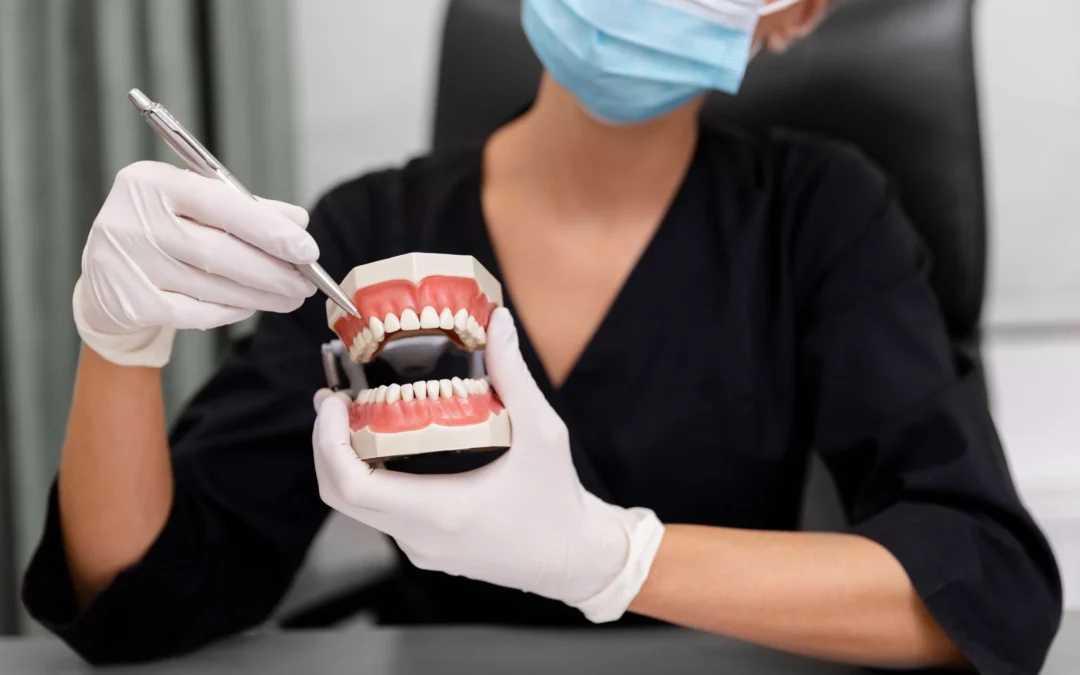
Missing or failing teeth change more than your smile. They affect how you eat, speak, and show up in photos, at work, and in social settings. If you’re wondering whether dental implants are worth it, and what they really cost and involve, this guide will walk you through it in plain language.
If you’re near 3200 Bristol Rd in Bensalem, PA, you’re also in a good spot: you have access to a modern implant practice that combines restorative dentistry with facial aesthetics, so your teeth and overall smile harmony are both taken into account.
What Is a Dental Implant, Really?
A dental implant isn’t a whole “tooth”. It’s a three-part system that replaces a missing tooth from root to crown:
- Implant post: A small titanium or zirconia post placed in the jawbone. This is your new “root.”
- Abutment: A connector piece that attaches to the implant post once healing is complete.
- Crown: The visible part that looks and functions like a natural tooth. It’s custom-shaped and color-matched to your smile.
Compared with a denture or bridge, a dental implant is fixed in place, doesn’t come out, and, when done correctly, can feel so natural that you forget which tooth is the implant.
Who Is a Good Candidate for Dental Implants?
Most adults in reasonable health can be candidates, but there are a few key things your dentist will look at:
1. Jawbone Health
You need enough healthy bone to hold the implant securely. If you’ve been missing teeth for a while, the jawbone may have shrunk. In that case, bone grafts can often rebuild that foundation, so implants become possible.
2. Gum Health
Active gum disease has to be treated first. Long-term implant success depends heavily on healthy gums and good oral hygiene.
3. Medical History
Conditions like uncontrolled diabetes, smoking, certain medications, or a history of radiation therapy to the jaw can affect healing. These don’t always rule you out, but they do require careful planning.
4. Daily Habits
You’ll need to be willing to:
- Brush and floss carefully
- Come in for regular dental cleanings
- Follow post-op instructions closely
If you’re unsure whether you’re a candidate, a thorough dental exam with X‑rays (and often a 3D scan) will give you a clear answer and options.
The Dental Implant Process Step-by-Step
Every case is unique, but most implant treatments in Bensalem follow a similar roadmap.
Step 1: Consultation and Planning
At your first visit, the dentist will:
- Review your medical and dental history
- Take digital X‑rays and possibly a 3D CBCT scan
- Examine your gums, bite, and neighboring teeth
- Talk through your goals (function, appearance, budget, timeline)
From there, they’ll map out a plan. For some, that means a single implant. For others, it’s several implants or a combination of implants and other dental services like custom porcelain veneers, Iinvisalign clear braces, or gum contouring for a more complete smile makeover.
Example:
You lost a molar two years ago and have been chewing mostly on the other side. Your dentist finds bone loss in that area. They recommend a small bone graft, a healing period, then a single implant with a crown to restore proper chewing.
Step 2: Bone Grafting (If Needed)
If the jawbone is too thin or too soft, the dentist may recommend a bone graft before or at the time of implant placement.
- A small amount of bone material is placed where the implant will go.
- Over a few months, your body integrates this material and creates stronger bone.
- Not everyone needs this; younger patients or those who lost a tooth recently often have enough bone already.
Bone grafting can sound intimidating, but in experienced hands it’s usually a straightforward, well-tolerated procedure done under local anesthesia (with optional sedation, depending on the office).
Step 3: Implant Placement
This is the key surgical step:
- The area is fully numbed.
- A small opening is made in the gum and bone.
- The titanium implant post is gently placed into the bone.
- In many cases, a small cover or healing cap is placed on top.
Most patients are surprised by how manageable this step is. You’ll feel vibration and pressure, but not pain, during the procedure. Mild soreness afterward is normal and typically controlled with over-the-counter medication.
Step 4: Healing and Osseointegration
This is where the magic happens behind the scenes.
- Over 3–6 months, the implant fuses with your jawbone (called osseointegration).
- You may wear a temporary tooth during this time for appearance and basic function.
- You’ll have check-ups to ensure everything is healing correctly.
Rushing this step is one of the most common reasons implants fail. A good dentist will be conservative here, long-term stability matters more than shaving a few weeks off the process.
Step 5: Abutment and Final Crown
Once the implant is solidly integrated:
- The dentist attaches an abutment (the connector).
- They take impressions or digital scans for your custom crown.
- A lab fabricates the crown to match your natural teeth in shape and color.
- At the final visit, the crown is securely attached.
From that point on, it functions like any other tooth: you brush, floss, and chew normally.
How Much Do Dental Implants Cost?
There’s no one-size-fits-all price because so many factors are involved:
- Number of implants needed
- Whether you need extra procedures (extractions, bone grafts, gum treatment)
- Type of crown and materials
- Complexity of your case
- Insurance coverage and in-office financing or dental specials
To understand cost, it helps to think of it this way:
- Traditional bridge: often lower upfront cost, but may need to be replaced more often, and requires grinding down neighboring teeth.
- Partial denture: less expensive initially, but removable, can be uncomfortable, and may not protect your jawbone from shrinking.
- Dental implant: higher upfront cost, but longer lifespan potential, protects bone, and preserves other teeth.
Many practices in Bensalem offer payment plans, third-party financing, and Affordable dental specials for new patients in Bensalem to make treatment more manageable. A quick call or consultation is the only way to get a precise estimate for your specific case.
Are Dental Implants Really Worth It?
For most patients, the value goes far beyond “just a new tooth.”
Functional Benefits
- Eat confidently: crunchier foods, healthier options, and steaks or salads become easier again.
- Speak clearly: missing front teeth often affects certain sounds.
- Stability: no slipping or clicking like dentures.
Health Benefits
- Preserve jawbone: implants help prevent the bone shrinking that happens when a tooth is missing.
- Protect other teeth: unlike a bridge, implants don’t rely on grinding down neighboring healthy teeth.
- Improved oral hygiene: it’s easier to clean around a single-tooth implant than under a bridge.
Emotional and Aesthetic Benefits
- Confidence in photos and face-to-face conversations
- A more youthful facial profile (bone loss can make the lower face look collapsed)
- Freedom from worrying about a denture moving or needing adhesive
At a practice that also offers facial aesthetic treatments like Botox and dermal fillers, lip filler, and microneedling, there’s the added advantage of building a treatment plan that considers the entire lower face, not just the teeth. You’re not just filling a gap; you’re harmonizing your smile with your lips, skin, and facial proportions.
How Dental Implants Fit with Other Cosmetic and Aesthetic Options
If you’re investing in your smile, it’s smart to think about the full picture. Many patients in Bensalem combine dental and facial aesthetic treatments for a more complete transformation.
Teeth and Bite
- Dental implants in Bensalem, PA for missing teeth
- Teeth whitening to brighten your existing teeth before matching your implant crown color
- Custom porcelain veneers to correct chips, discoloration, and shape
- Invisalign clear braces to straighten teeth and improve bite before implants in some cases
- Gum contouring to balance a “gummy” or uneven smile
Lips and Facial Balance
Ideal tooth size and shape are partly framed by your lips. It’s common for patients who restore their teeth to notice their lips feel thinner or asymmetrical, or that lines around the mouth are more visible.
At an aesthetic clinic in Bensalem, PA, services include:
- Botox Bensalem (for softening lines around the mouth and between the brows)
- Lip fillers Bensalem (to enhance lip shape, symmetry, and support)
- Dermal fillers Bensalem(for subtle volume in the mid-face and smile lines)
- Microneedling Bensalem (to improve skin texture and tone)
It can be used carefully to complement your new teeth. The key is working with a team that understands both dental and facial anatomy so the results look natural, not overdone.
If you’re curious about those options, explore Facial aesthetic treatments in Philadelphia, the dedicated Botox and dermal fillers in Philadelphia page, or the detailed lip filler and microneedling services.
What Does Recovery Feel Like?
Implant surgery recovery is usually easier than patients expect.
Most people experience:
- Mild to moderate soreness for a few days
- Minor swelling or bruising
- Some dietary restrictions (soft foods) initially
Most go back to work within a day or two unless multiple implants or more complex procedures were done. Following the written instructions you receive, including using ice as directed, taking prescribed or recommended medications, and keeping the area clean, goes a long way toward a smooth recovery.
How Long Do Dental Implants Last?
With good care, implants are designed to be a long-term solution.
- The implant post itself can last decades, and often much longer.
- The crown on top may need replacement or repair over the years, similar to other dental work.
You’ll protect your investment by:
- Brushing twice daily and flossing around the implant like a natural tooth
- Coming in for regular dental exams and dental cleanings
- Addressing grinding or clenching with a night guard if recommended
Think of an implant as a high-quality home renovation: done properly, it should last and add value for a long time, but it still needs routine maintenance.
Why Location and Experience Matter (Especially in Bensalem)
If you’re searching from 3200 Bristol Rd or the surrounding Bensalem area, you want a dentist who:
- Places and restores dental implants routinely, not once in a while
- Has access to 3D imaging and modern planning tools
- Can perform or coordinate bone grafts and other supporting procedures
- Offers both comprehensive dental services in Bensalem and aesthetic options so your results look natural in your face—not just on camera
A practice like Ideal Smile Dental aesthetics can coordinate your care under one roof, which often leads to better communication, smoother scheduling, and more cohesive results.
FAQs About Dental Implants in Bensalem, PA
How painful is getting a dental implant?
During the procedure, the area is thoroughly numbed, so you should feel pressure and vibration, but not sharp pain. Afterward, most patients compare the soreness to having a tooth pulled or a deeper filling. Over-the-counter pain relievers are often enough, though your dentist may prescribe medication depending on the complexity of your case.
How long does the entire dental implant process take?
For a straightforward case without bone grafting, you’re typically looking at about 3–6 months from implant placement to final crown. If bone grafting or multiple implants are needed, the timeline can extend to 6–9 months. Your dentist will give you a realistic estimate based on your exam and imaging.
Can I get a dental implant the same day my tooth is removed?
In some situations, yes, this is called an immediate implant. It depends on the condition of the bone, the location of the tooth, and your overall oral health. Your dentist will assess whether an immediate implant or a staged approach (extraction, healing, then implant) is more predictable for you.
Will my insurance cover dental implants?
Coverage varies widely. Some plans still categorize implants as “elective,” while others cover portions of the implant, crown, or related procedures like extractions and bone grafts. Many Bensalem practices work with patients to maximize insurance benefits and offer financing or dental specials & offers to help with out-of-pocket costs.
Are dental implants safe for older adults?
Age alone is not a barrier. Many healthy patients in their 60s, 70s, and beyond are excellent candidates. What matters more is your overall health, medications, bone quality, and healing ability. A careful medical review and imaging will guide that decision.
What if I’m missing several teeth, do I need an implant for each one?
Not always. In many cases, a few strategically placed implants can support multiple teeth, such as an implant-supported bridge or a full-arch prosthesis. This can be more cost-effective and minimize surgery while still giving you stable, fixed teeth.
How do I care for a dental implant compared to a natural tooth?
Day-to-day care is similar: brush twice daily with a soft brush, floss around the implant, and use any special tools your dentist recommends (like small interdental brushes or water flossers). Regular routine dental check-ups in Bensalem for preventive care help catch any issues early.
Can I combine dental implants with cosmetic treatments like teeth whitening, veneers, or lip fillers?
Yes, and many patients do. Often the sequence is:
- Treat any active dental disease.
- Align or stabilize the bite (if needed with Invisalign clear braces).
- Place implants and restore them.
- Brighten or refine with teeth whitening and porcelain veneers.
- Finish with lip filler or Botox and dermal fillers if you want to enhance lip shape, soften lines, or balance facial features.
Working with one team that offers both dental and aesthetic care ensures the final result looks cohesive and natural.
Ready to Find Out If Dental Implants Are Right for You?
If you’re living or working near 3200 Bristol Rd in Bensalem and you’re tired of avoiding certain foods, hiding your smile, or dealing with a loose denture, it’s time to get clear answers, not generic information.
Schedule a consultation with Ideal Smile Dental in Bensalem, PA to:
- Get a thorough exam and 3D imaging if needed
- Learn exactly what your options are (and what they cost)
- See how implants can fit into a broader plan for your smile and facial aesthetics
- Explore complementary services like Facial aesthetic treatments in Philadelphia, Botox and neurotoxin, lip filler, microneedling, and more, if you want a full refresh
Call the office, use the online contact form, or Book aesthetic treatments in Bensalem, PA, and take the first step toward a stronger, more confident smile that actually feels like you.