
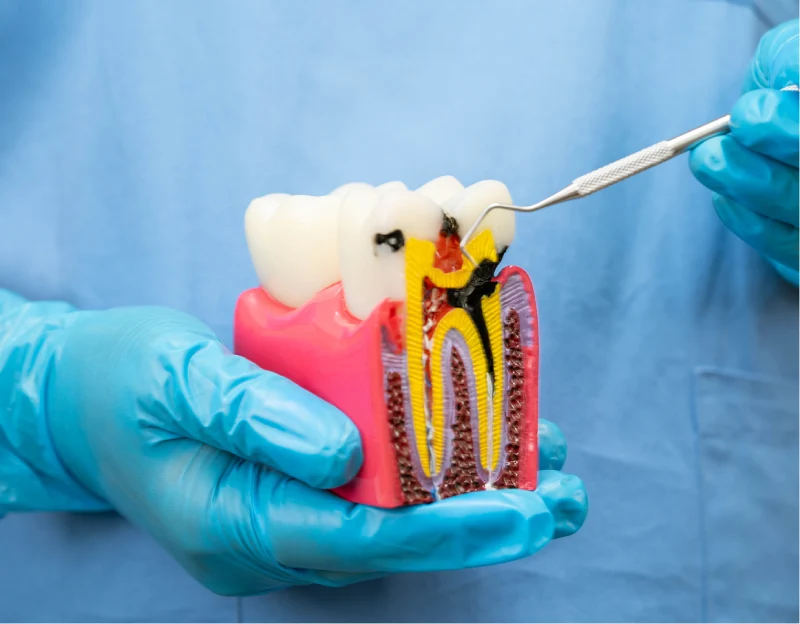
A root canal procedure removes infected or damaged pulp from inside a tooth, cleans and disinfects the root canals, and seals the tooth to prevent further infection.
Many people hear the words “root canal” and immediately think of pain. In reality, the discomfort is usually caused by the infected tooth itself, not the treatment. Thanks to modern techniques and local anesthesia, today’s root canal procedure is designed to relieve pain, eliminate infection, and save your natural tooth with minimal discomfort.
According to the American Association of Endodontists (AAE), more than 15 million root canal procedures are performed every year. This makes it one of the most common and successful dental treatments for saving teeth that might otherwise need to be extracted.
Whether you’re searching for information about a root canal procedure, looking for a trusted provider for a root canal in Bensalem, or simply want to know what to expect, this guide walks you through every step. You’ll learn why root canals are needed, how the procedure works, and what recovery looks like so you can make informed decisions about your oral health.
When Is a Root Canal Needed?
A root canal becomes necessary when the soft tissue inside your tooth, known as the pulp, becomes inflamed or infected. The pulp contains nerves, blood vessels, and connective tissue that help your tooth develop. Once a tooth is fully formed, however, it can continue to function without the pulp because it receives nourishment from the surrounding tissues.
If bacteria reach the pulp, the infection can spread deeper into the tooth and eventually affect the surrounding bone and gums. Left untreated, the infection may lead to severe pain, an abscess, or even tooth loss.
Seeking treatment early gives your dentist the best opportunity to save your natural tooth while preventing the infection from worsening.
Common Causes of a Root Canal
Several dental problems can allow bacteria to enter the inner portion of a tooth.
The most common causes include:
- Deep tooth decay that reaches the pulp.
- A cracked or chipped tooth that exposes the inner tissue.
- Repeated dental procedures performed on the same tooth.
- Trauma or injury, even if no visible crack is present.
- Untreated cavities that continue to progress over time.
- Large or damaged fillings that no longer protect the tooth.
Many of these problems develop gradually, which is why routine dental exams are essential. Regular checkups allow your dentist to identify cavities, cracks, and other concerns before they reach the pulp and require more extensive treatment.
Signs You May Need a Root Canal
A tooth doesn’t always become painful immediately after an infection begins. In some cases, symptoms develop slowly or come and go, making them easy to ignore.
Watch for these common warning signs:
- Persistent tooth pain that doesn’t go away.
- Lingering sensitivity to hot or cold foods and drinks.
- Pain when biting or chewing.
- Swollen or tender gums near the affected tooth.
- A small pimple-like bump on the gums.
- Tooth discoloration or darkening.
- Swelling around the jaw or face.
- A loose tooth caused by infection affecting the surrounding bone.
Not every tooth requiring a root canal will produce all of these symptoms. Some infections are discovered during routine dental visits before significant pain develops.
If you’re experiencing any of these symptoms, scheduling an evaluation as soon as possible can help determine if a root canal procedure is the right treatment. Patients looking for a root canal in Bensalem should avoid delaying care, as early treatment often helps preserve more of the natural tooth while reducing the risk of complications.
Understanding Your Tooth Before the Procedure
Understanding the basic structure of a tooth makes it easier to see why a root canal is sometimes necessary.
Your tooth has several layers, and each serves a specific purpose in protecting your oral health.
| Tooth Structure | Function |
| Enamel | The hard outer layer that protects the tooth from daily wear and bacteria. |
| Dentin | The layer beneath the enamel that supports the tooth and carries sensations to the pulp. |
| Pulp | The soft inner tissue containing nerves, blood vessels, and connective tissue. |
| Root Canals | Narrow pathways inside the roots that house the pulp and connect it to the tissues surrounding the tooth. |
When a cavity or crack allows bacteria to reach the pulp, inflammation and infection can develop. Because the pulp is enclosed inside the tooth, pressure builds as the infection progresses, often leading to persistent pain and sensitivity.
A root canal procedure removes the infected pulp, thoroughly cleans and disinfects the canals, and seals the space to prevent bacteria from re-entering. The outer portion of the tooth remains in place, allowing you to keep your natural tooth rather than having it extracted.
Now that you understand why a root canal may be recommended, let’s take a closer look at what happens during each stage of the procedure and how your dentist works to restore your tooth comfortably and safely.
Step-by-Step: What Happens During a Root Canal?
Knowing what happens during a root canal procedure can help ease anxiety and give you a better understanding of how the treatment works. Although every patient’s situation is unique, the procedure generally follows the same sequence of steps, each designed to remove infection, preserve your natural tooth, and restore your oral health.
Most root canal treatments can be completed in one or two visits, depending on the condition of the tooth and the severity of the infection.
Step 1: Comprehensive Dental Examination
Every successful treatment begins with a thorough evaluation. Before recommending a root canal, your dentist needs to confirm that the pulp inside the tooth is infected or inflamed and determine the extent of the damage.
During your appointment, your dentist may:
- Review your symptoms and dental history.
- Examine the affected tooth and surrounding gums.
- Take digital X-rays to assess the infection.
- Check for cracks, decay, or damage.
- Discuss the recommended treatment plan and answer your questions.
This evaluation also helps determine if the tooth can be successfully saved or if another treatment may be more appropriate.
Routine dental exams often detect problems before they become severe, which is why regular preventive care remains one of the best ways to protect your natural teeth.
Step 2: Numbing the Tooth
One of the biggest concerns patients have is whether a root canal will hurt. Fortunately, modern dentistry makes the procedure much more comfortable than many people expect.
Before treatment begins, your dentist will administer a local anesthetic to completely numb the affected tooth and the surrounding area. Once the anesthesia takes effect, you shouldn’t feel pain during the procedure, although you may notice slight pressure or movement as your dentist works.
Patients experiencing severe tooth pain before treatment are often surprised to find that the procedure itself is more comfortable than the infection they were living with.
Step 3: Isolating the Tooth
After the area is numb, your dentist places a small protective sheet called a rubber dam around the affected tooth.
This important step helps:
- Keep the treatment area clean and dry.
- Prevent saliva and bacteria from entering the tooth.
- Improve visibility during the procedure.
- Protect the rest of your mouth while treatment is being performed.
Although patients rarely notice this step, it plays an important role in maintaining a clean treatment environment and supporting the long-term success of the root canal procedure.
Step 4: Removing the Infected Pulp
Once the tooth is isolated, your dentist creates a small opening through the top of the tooth to access the infected pulp chamber.
Using specialized dental instruments, the damaged pulp is carefully removed from inside the tooth and its root canals.
This step eliminates the source of the infection and helps relieve the pressure responsible for many of the symptoms associated with an infected tooth, including:
- Persistent toothaches.
- Sensitivity to hot or cold temperatures.
- Pain while chewing.
- Throbbing caused by inflammation inside the tooth.
Removing the infected pulp doesn’t weaken the tooth’s ability to function. Once a tooth has fully developed, it no longer depends on the pulp for nourishment because surrounding tissues continue to support it.
Step 5: Cleaning and Shaping the Root Canals
After removing the infected tissue, the inside of the tooth must be thoroughly cleaned before it can be sealed.
This stage involves:
- Cleaning the root canals.
- Removing remaining bacteria and infected tissue.
- Disinfecting the inside of the tooth.
- Shaping the canals to prepare them for filling.
Proper cleaning is one of the most important parts of the root canal procedure because it helps reduce the risk of future infection while creating a secure space for the filling material.
Step 6: Filling and Sealing the Tooth
Once the canals have been cleaned and disinfected, they are filled with a biocompatible material called gutta-percha.
This rubber-like material seals the canals and helps prevent bacteria from re-entering the tooth.
After the canals are sealed, your dentist places either:
- A temporary filling until your next appointment, or
- A permanent filling if the tooth can be restored immediately.
Sealing the tooth protects the cleaned canals and prepares them for their final restoration.
Step 7: Restoring the Tooth
Many teeth that require root canal treatment have been weakened by extensive decay or large fillings. To restore their strength and function, your dentist may recommend placing a dental crown.
A custom crown helps:
- Protect the treated tooth from fractures.
- Restore normal biting and chewing function.
- Improve the appearance of the tooth.
- Extend the lifespan of the treated tooth.
With proper care, a tooth that has received a root canal and crown can continue functioning for many years.
Root Canal Procedure Timeline
Although every patient’s treatment is different, most appointments follow a similar schedule.
| Step | What Happens | Estimated Time |
| Initial Examination | Evaluation, digital X-rays, diagnosis | 15–20 minutes |
| Local Anesthesia | Numbing the tooth and surrounding area | 5–10 minutes |
| Removing the Pulp | Accessing the tooth and removing infected tissue | 20–30 minutes |
| Cleaning & Shaping | Cleaning, disinfecting, and preparing the canals | 20–30 minutes |
| Filling & Sealing | Filling the canals and sealing the tooth | 15–20 minutes |
| Final Restoration | Temporary filling or preparation for a dental crown | Varies by case |
The exact length of your appointment depends on factors such as the number of roots, the severity of the infection, and the condition of the tooth. While some root canals can be completed in a single visit, others may require a follow-up appointment before the tooth receives its permanent restoration.
Does a Root Canal Hurt?
The belief that root canals are painful is one of the biggest misconceptions in dentistry. Advances in dental technology, anesthetics, and treatment techniques have made the procedure much more comfortable than many patients expect.
In fact, the purpose of a root canal is to relieve pain caused by an infected or inflamed tooth.
Root Canal Myths vs. Facts
| Myth | Fact |
| Root canals are painful. | Modern local anesthesia keeps the tooth numb, making the procedure similar to receiving a dental filling. |
| It’s better to pull the tooth. | Whenever possible, saving your natural tooth is typically the preferred treatment because it preserves your bite and oral function. |
| Recovery takes a long time. | Most patients return to their normal routine within a day, with only mild soreness that improves over the next few days. |
| A root canal removes the entire tooth. | The procedure removes only the infected pulp while preserving the natural tooth structure. |
Every patient has a different experience, but most report feeling far more comfortable after treatment because the infection causing their pain has been eliminated.
Recovery After a Root Canal: What to Expect
One of the biggest concerns patients have after a root canal procedure in Bensalem, Pa is how long recovery will take. The good news is that most people return to their normal routine within a day or two. While it’s normal to experience mild soreness or tenderness after the anesthesia wears off, the discomfort is usually temporary and manageable.
It’s important to remember that every patient heals differently. The extent of the infection, the tooth being treated, and whether a dental crown is needed can all influence your recovery.
Common Side Effects After a Root Canal
Most post-treatment symptoms are mild and improve over the next few days.
You may experience:
- Mild tenderness around the treated tooth.
- Sensitivity when biting or chewing.
- Slight discomfort after the anesthesia wears off.
- Temporary inflammation around the surrounding tissues.
These symptoms are part of your body’s natural healing process and typically improve as the tooth recovers.
Tips for a Smooth Recovery
Following your dentist’s instructions can help protect your treated tooth and promote faster healing.
For the first few days after treatment, try to:
- Eat soft foods until the tenderness improves.
- Avoid chewing on the treated tooth until it has been permanently restored.
- Brush and floss gently while maintaining your normal oral hygiene routine.
- Take any prescribed or recommended medications as directed.
- Attend your follow-up appointment if a permanent restoration is planned.
If you receive a temporary filling, avoid sticky or hard foods that could dislodge it before your final restoration.
When Should You Contact Your Dentist?
While complications are uncommon, you should contact your dentist if you notice:
- Severe pain that worsens instead of improving.
- Significant swelling around your face or jaw.
- A fever or signs of infection.
- A temporary filling that falls out.
- Difficulty biting after your final restoration.
Prompt evaluation allows your dentist to address any concerns before they become more serious.
Why Saving Your Natural Tooth Matters
Whenever possible, preserving your natural tooth is usually the best long-term solution. A root canal procedure removes the infection while allowing the healthy outer structure of your tooth to remain in place.
Keeping your natural tooth offers several important advantages.
Benefits of Choosing a Root Canal
A successful root canal can:
- Preserve your natural smile.
- Maintain normal chewing and biting function.
- Prevent neighboring teeth from shifting.
- Help preserve your natural bite alignment.
- Reduce the need for more extensive tooth replacement options.
Many teeth treated with a root canal are restored with a dental crown, helping strengthen the tooth and improve its long-term durability.
Root Canal vs. Tooth Extraction
If your tooth can be saved, your dentist will often recommend a root canal instead of removing it.
| Root Canal | Tooth Extraction |
| Saves your natural tooth | Removes the tooth completely |
| Preserves normal chewing function | Replacement options such as implants or bridges may be recommended |
| Helps maintain proper tooth alignment | Nearby teeth may gradually shift |
| Often restored with a dental crown | Additional procedures may increase treatment time and cost |
Every case is different, but preserving your natural tooth whenever possible is generally considered the most conservative and beneficial approach.
How to Reduce Your Risk of Needing a Root Canal
Although not every root canal can be prevented, many infections develop from untreated cavities or dental injuries that are identified too late.
Maintaining good oral health habits and visiting your dentist regularly can significantly reduce your risk.
Protect Your Teeth with Preventive Care
Healthy daily habits make a difference.
Be sure to:
- Brush twice a day using fluoride toothpaste.
- Floss every day.
- Limit sugary foods and beverages.
- Wear a mouthguard during contact sports.
- Avoid chewing ice or hard objects that could crack your teeth.
Schedule Routine Dental Visits
Many dental problems begin long before symptoms appear. Routine dental exams and professional dental cleanings help identify cavities, cracked fillings, and other concerns before they reach the inner pulp of your tooth.
Patients who prioritize preventive dentistry are often able to address small problems before they require more extensive treatment.
Relieve Tooth Pain and Save Your Smile.
Persistent tooth pain shouldn’t be ignored. If left untreated, an infected tooth can become more painful and may eventually require more complex treatment.
At Create Ideal Smile, we focus on preserving your natural teeth whenever possible. If you’re experiencing symptoms that may indicate an infection, our team will perform a thorough evaluation, explain your treatment options, and recommend the most appropriate solution for your oral health.
Whether you need a root canal procedure, a routine dental exam, or preventive care, we’re here to help you protect your smile with personalized, compassionate treatment.
Frequently Asked Questions
1. What happens during a root canal?
During a root canal procedure, your dentist removes the infected pulp, cleans and disinfects the inside of the tooth, fills the root canals, and seals the tooth to prevent future infection.
2. Does a root canal hurt?
Modern root canal treatment is performed using local anesthesia, making the procedure similar in comfort to receiving a dental filling. Most patients experience relief because the source of the infection is removed.
3. How long does a root canal procedure take?
Most root canal procedures take between 60 and 90 minutes, although more complex cases or teeth with multiple canals may require additional time or a second visit.
4. Will I need a dental crown after a root canal?
Many back teeth require a Dental Crown after a root canal to restore strength and protect the tooth from fractures.
5. Can a root canal be completed in one appointment?
Yes. Many root canals are completed during a single visit. However, teeth with extensive infection or complex anatomy may require two appointments.
6. What should I eat after a root canal?
Choose soft foods such as yogurt, eggs, soup, mashed potatoes, and smoothies until the numbness wears off and any tenderness improves. Avoid chewing on the treated tooth until your dentist advises otherwise.
7. How long does recovery take?
Most patients feel well enough to return to normal activities within 24 to 48 hours, although mild tenderness can last a few days.
8. What happens if I delay a root canal?
Delaying treatment can allow the infection to spread, increasing the risk of severe pain, abscess formation, bone loss, or the need for tooth extraction.
9. How successful are root canals?
Root canal treatment has a very high success rate. With proper restoration and good oral hygiene, many treated teeth continue functioning for many years.
10. Can I prevent needing a root canal?
You can reduce your risk by maintaining good oral hygiene, scheduling regular dental exams and professional dental cleanings, and treating cavities before they reach the inner pulp of the tooth.