
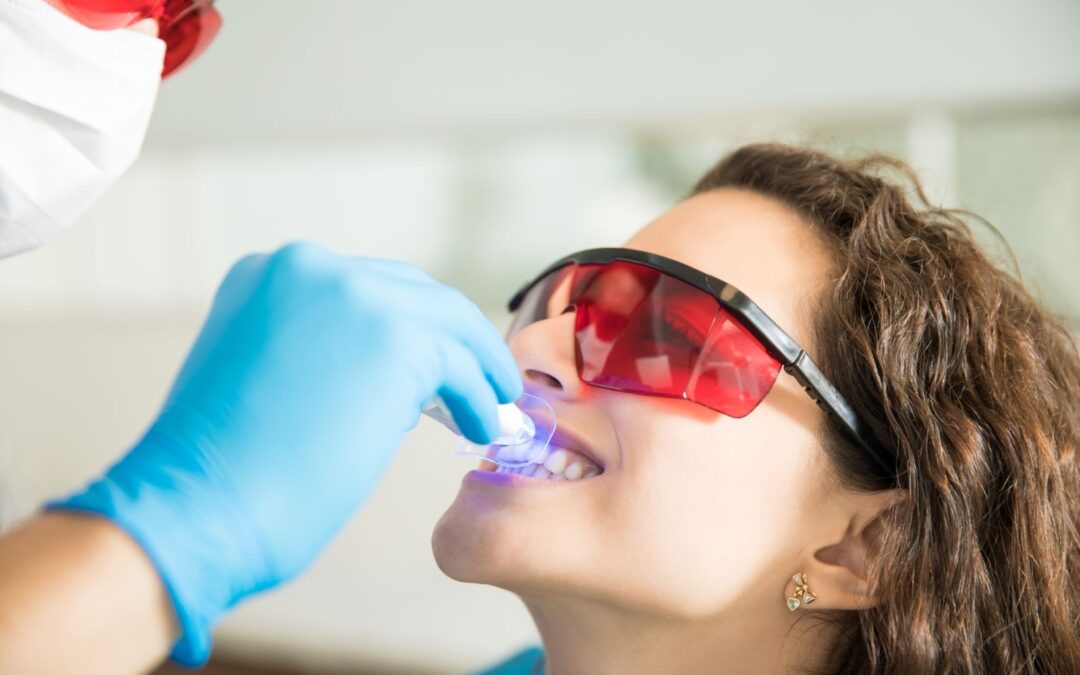
If you’re avoiding teeth whitening because of something you heard from a friend, TikTok, or years ago at the dentist, you’re not alone. A lot of the “advice” out there is outdated, half-true, or flat-out wrong, and it might be the reason your smile still looks stained in photos.
Here are 10 common teeth whitening myths that patients near in Bensalem, PA, bring up all the time, and what you actually need to know to brighten safely and effectively.
Myth #1: Whitening Ruins Your Enamel
This is the number-one fear: “Won’t whitening wear away my enamel?”
Professional whitening done under dentist’s supervision is designed to change the color of the tooth, not strip away healthy structure. The active ingredients in whitening gels (usually peroxide-based) pass through the enamel and break up stain molecules in the deeper layers of the tooth.
Where the damage risk really climbs:
- Overusing store-bought whitening strips far beyond the directions
- Using too-strong products you bought online with no guidance
- Trying DIY “hacks” with acidic household ingredients
Safe approach:
- See a dentist for an exam to make sure your teeth and gums are healthy first.
- Use a teeth-whitening option in Bensalem, PA that’s professionally formulated and monitored.
- Follow the recommended frequency; whiter doesn’t mean you keep whitening forever.
You shouldn’t see pitting, roughness, or visible thinning of enamel from properly supervised whitening. If you do, something’s wrong with the product or how it’s being used.
Myth #2: Drugstore Whitening Works Just as Well as In-Office
Over-the-counter whitening strips and pens can help with mild surface stains, and for some people, that’s enough. But they’re not simply “cheaper versions” of what you’d get in a dental office.
Key differences:
- Strength: Professional gels are typically stronger and more controlled than drugstore versions.
- Fit: Custom trays from your dentist hug your teeth closely, so gel stays where it should and works evenly.
- Speed: In-office whitening uses higher-strength gel and often a light system, giving dramatic results in one visit.
- Safety: A dentist can protect your gums and teeth with fillings and sensitive areas.
Patients often come in after months of using strips and say, “I see a tiny change, but it’s blotchy and not what I expected.” One professional session or a custom at-home kit usually delivers the change they were hoping for.
Myth #3: Whitening Is Painful for Everyone
You may have heard someone say whitening “destroyed their teeth” because it hurt. Here’s what’s actually happening.
Some people experience temporary:
- Zingy, electric-like sensitivity
- Cold sensitivity when breathing in or drinking water
- Mild gum irritation if the gel touches the gums
That doesn’t mean your teeth are being harmed. It usually means:
- Your teeth are naturally more porous or already a bit sensitive.
- The product strength or wear time wasn’t adjusted for you.
- Your gums weren’t well-protected.
In a professional setting, your dentist can:
- Use a lower-strength gel and longer wear time for sensitive teeth
- Apply desensitizing products before and after treatment
- Recommend a sensitive toothpaste for a week or two before your appointment
- Stagger sessions instead of doing intense back-to-back whitening
Most patients at Ideal Smile Dental handle whitening very comfortably with the right plan. If you’ve had sensitivity before, that’s something to talk about, not a reason to rule whitening out for life.
Myth #4: Whitening Toothpaste Can Do the Same Job
Whitening toothpaste can help maintain a bright smile, but it has limitations.
What whitening toothpaste is good for:
- Removing new surface stains from coffee, tea, wine, or smoking
- Helping maintain results after professional treatment
- Giving a slightly fresher, brighter look over time
What it can’t do:
- Change the natural color of your teeth
- Reach deeper stains within the tooth structure
- Match the several-shade jump you can get with a professional treatment
Most whitening toothpastes rely on mild abrasives and polishing agents. Used correctly, that’s fine, but if you scrub aggressively, you can wear down enamel and expose yellower dentin underneath, making your teeth look darker over time.
Think of whitening toothpaste as maintenance, not the main treatment.
Myth #5: Charcoal, Lemon, and TikTok Hacks Are “Natural and Safe”
DIY whitening tricks feel tempting because they sound simple and “chemical-free.” Unfortunately, many of them can be harsh, untested, or both.
Common risky trends:
- Brushing with activated charcoal powder
- Rubbing lemon juice or vinegar on teeth
- Baking soda mixtures used daily
- Hydrogen peroxide rinses done too frequently
Potential problems:
- Abrasive powders can scratch enamel, making it rough and more prone to staining.
- Acidic ingredients (like lemon) can erode enamel, leading to sensitivity and cavities.
- Random mixtures aren’t tested for safety, pH balance, or long-term effects.
If you don’t want it rubbing on your eyes or skin every day, don’t grind it into your enamel. Professionally tested whitening gels are designed to be effective without scraping or dissolving your teeth.
If you’re in doubt about a home trick you saw online, ask your dentist during your dental exams in Bensalem, PA visit before you try it.
Myth #6: Whiteners Work on Crowns, Veneers, and Fillings
This one surprises a lot of people. Whitening products work on natural teeth, not on most dental materials.
Whitening does not reliably change the color of:
- Porcelain crowns and porcelain veneers
- Tooth-colored fillings (composite)
- Bridges and many implant restorations
That’s why planning matters. If you know you want a whiter smile long-term, dentists often recommend:
- Whitening your natural teeth to the shade you like.
- Matching any new veneers, crowns, or fillings to that brighter shade.
If you already have restorations and then whiten your teeth, your natural teeth may become lighter than your crowns or fillings, making those stand out more.
During a consultation for custom porcelain veneers or dental implants in Bensalem, your dentist can help map out the sequence so everything blends naturally.
Myth #7: One Whitening Treatment Lasts Forever
Whitening is not a permanent, one-and-done fix. Your teeth live in the real world, where you drink coffee, eat tomato sauce, and maybe enjoy a glass of red wine.
How long results last depends on:
- How often you consume dark, acidic, or staining foods and drinks
- Whether you smoke or vape
- Your natural enamel color and thickness
- Your daily hygiene and professional dental cleanings in Bensalem, PA
Typical pattern:
- Strongest change: in the first days to weeks after treatment
- Gradual softening of brightness over months to a year or more
- With good habits and maintenance, many people keep a lighter shade long-term
To keep results:
- Rinse with water after coffee, tea, or wine
- Use a straw when you can
- Keep up with regular dental check-ups for preventive care
- Use a custom take-home touch-up kit, if recommended
Think of professional whitening like getting your hair professionally colored: you enjoy the results and refresh them occasionally.
Myth #8: If Your Teeth Are Yellow, You’re Not Brushing Enough
Poor hygiene definitely contributes to stains, but yellow or darker teeth don’t always mean you’re doing something wrong.
Common non-hygiene reasons for darker teeth:
- Naturally thicker yellow dentin under the enamel
- Very thin enamel (sometimes genetic, sometimes due to wear)
- Certain medications taken while teeth were forming
- Enamel thins, and more dentin shows through
- Trauma to a tooth years earlier
You can brush perfectly and still have teeth that look cream, off-white, or light yellow. Whitening is designed to safely brighten within the limits of your natural tooth structure.
A good cleaning, stain removal, and evaluation at Ideal Smile Dental can help you see what’s plaque, what’s staining, and what can be changed with professional whitening or custom porcelain veneers.
Myth #9: Teeth Whitening Is Only for “Perfect” Smiles
Many people assume whitening is just the final touch for already-straight, flawless smiles. In reality, whitening is often the easiest, most conservative cosmetic upgrade—especially if you’re not ready for major work.
Whitening can be a great fit if:
- You’re not interested in braces or Invisalign clear aligners in Bensalem, PA, but want your smile to pop more.
- You have small chips or spacing, but prefer a simple refresh instead of full veneers.
- You’re starting to explore aesthetics, including options like Botox and Dermal Fillers in Philadelphia or lip filler for a more youthful look.
Something as simple as whitening can:
- Make minor misalignments less noticeable
- Boost confidence in photos and social settings
- Pair beautifully with subtle enhancements like lip filler for natural, full lips or microneedling in Philadelphia for radiant skin
You don’t need a “perfect” smile to benefit. Whitening is often the first step that makes people feel better right away.
Myth #10: Whitening Is Purely Cosmetic and Not Worth It
Whitening is cosmetic. It doesn’t treat cavities or gum disease. But that doesn’t mean it’s “vain” or unimportant.
Many patients report that, after whitening, they:
- Smile more in conversations and photos
- Feel more confident in interviews, meetings, or dating
- Become more consistent with hygiene to protect their results
And because your smile is the centerpiece of your face, it often ties into other aesthetic goals.
If you’re already investing in your skin or facial profile at an aesthetic clinic in Bensalem, PA, ignoring tooth color can leave the overall result feeling unfinished. A balanced approach often looks the most natural.
FAQ: Teeth Whitening Myths, Safety, and Results
1. Is professional teeth whitening safe for my enamel?
When done under the care of a dentist and with approved products, professional whitening is considered safe for healthy teeth. At Ideal Smile, your dentist will examine your teeth and gums first, adjust gel strength if needed, and give you specific instructions to avoid overuse.
2. How white can my teeth actually get?
Everyone has a natural “ceiling” based on their enamel and dentin color. Some teeth easily jump several shades; others change more modestly. During your consultation, your dentist will show you a shade guide so you can see a likely range instead of guessing.
3. If I have cavities or gum disease, can I still whiten?
Active decay or gum disease needs to be treated first. Whitening gel can irritate compromised teeth and gums and may cause significant sensitivity. Regular dental cleanings in Bensalem, PA, dental exams, and any needed root canal treatment should come before whitening.
4. Will whitening make my teeth sensitive?
Some temporary sensitivity is common, but it can usually be managed. Strategies include:
- Using a sensitive toothpaste for 1–2 weeks before and after
- Shorter wear times or lower-strength gel
- Desensitizing treatments applied in-office
5. How long should I wait between whitening sessions?
Most patients do a main whitening treatment and then occasional touch-ups every few months to a year, depending on their habits. Overdoing whitening won’t keep making teeth whiter; it just increases the chance of irritation. Your dentist will recommend a safe schedule based on your specific case.
6. Can I whiten my teeth if I’m planning on veneers or Invisalign?
Yes, and timing matters. Many patients whiten before starting cosmetic work so everything can be matched to that brighter shade. If you’re planning Invisalign clear braces in Bensalem, PA, or enhancing your smile with custom porcelain veneers, talk to your dentist about sequencing so you don’t have mismatched colors.
7. Is in-office whitening better than take-home trays?
Both can work very well. In-office whitening is faster and gives a dramatic boost in one visit. Take-home trays with custom fit are great for gradual, controlled whitening and long-term maintenance. Some patients do a combination: in-office first, then at-home trays to maintain.
Get a Brighter Smile With Ideal Smile Dental
Professional whitening should feel safe, customized, and realistic, not confusing or overhyped. Ideal Smile Dental helps patients near Bensalem understand which whitening options make sense for their teeth, sensitivity level, and long-term smile goals.
At Ideal Smile Dental, patients can:
- Get a professional exam before whitening starts
- Choose between in-office whitening and custom take-home trays
- Discuss veneers, Invisalign, or cosmetic treatments alongside whitening
- Address sensitivity concerns with a personalized treatment approach
- Combine smile care with facial aesthetic treatments for a balanced look
If you’re ready to brighten your smile with guidance that’s tailored to you, schedule a consultation with the Ideal Smile Dental team today.