
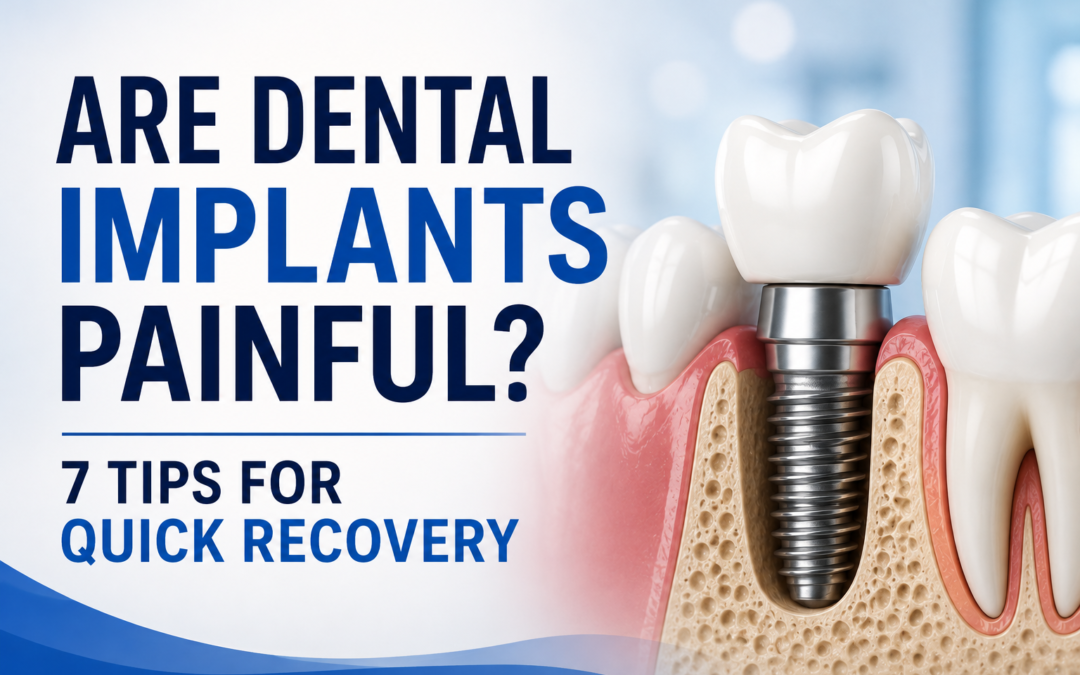
Dental implants are generally not painful during placement because the area is numbed with local anesthesia. You may feel pressure or movement during the procedure, but significant pain should not be expected. Afterward, mild soreness, swelling, or tenderness is normal and usually improves as your mouth heals.
The thought of dental implant surgery can make some patients nervous, especially if they’ve never undergone an oral procedure before. One of the most common questions is simple: Are dental implants painful?
The good news is that modern dental techniques and anesthesia are designed to keep patients comfortable throughout implant placement. The recovery period can involve some discomfort, but your dentist will provide instructions to help manage it.
If you’re considering dental implants in Bensalem, understanding what you may feel during each stage of treatment can make the process feel much less intimidating. The sections below explain what dental implant surgery feels like, why discomfort can occur afterward, how long it typically lasts, and when pain may signal that you should contact your dentist.
Do Dental Implants Hurt?
During implant placement, your dentist uses local anesthesia to numb the treatment area before beginning the procedure. Once the area is numb, you shouldn’t feel sharp pain during the placement itself.
You may notice sensations such as:
- Pressure around the treatment area
- Movement or vibration
- Mild pulling or pushing
- Pressure from dental instruments
These sensations can feel unusual, but they’re different from experiencing pain. Your dental team can also check your comfort throughout the procedure and provide additional anesthesia if needed.
What Does Dental Implant Surgery Feel Like?
The experience varies depending on the number of implants being placed and the complexity of your treatment. A single dental implant may involve a relatively straightforward procedure, while multiple implants or additional procedures can require more extensive treatment.
The important distinction is that discomfort is generally more associated with the recovery period than with the implant placement itself.
Once the anesthesia wears off, you may notice tenderness around the surgical site. This is a normal part of your body’s response to the procedure and doesn’t necessarily indicate a problem.
What Causes Pain After Dental Implant Surgery?
Some discomfort after implant placement is expected. Your gums and surrounding tissues have undergone a procedure, so your body needs time to recover.
Post-treatment discomfort can be related to:
- Tissue Irritation
The surgical site may feel tender while the surrounding gum tissue heals.
- Inflammation
Your body’s natural healing response can cause temporary inflammation and swelling around the treatment area.
- Swelling
Swelling is common during the first few days after surgery. It may be more noticeable depending on the extent of the procedure.
- Normal Healing
Mild soreness or tenderness can simply be part of the healing process. The discomfort should generally improve rather than become progressively worse.
What Is Normal After Implant Placement?
Some common experiences during the early recovery period include:
- Mild soreness around the implant site
- Tenderness when eating or touching the area
- Swelling around the gums or cheek
- Minor bruising
- Temporary difficulty chewing near the treatment area
Your dentist in Bensalem will give you specific aftercare instructions based on your procedure. Following those instructions carefully can help make your recovery more comfortable.
When Should You Contact Your Dentist?
Not every type of pain should be considered a normal part of recovery. If discomfort becomes severe, continues to worsen, or is accompanied by other concerning symptoms, contact your dental office.
You should seek professional guidance if you experience:
- Severe or increasing pain
- Significant or worsening swelling
- Persistent bleeding
- Fever
- Pus or unusual discharge
- Symptoms that don’t seem to be improving
Your dentist can determine whether these symptoms are part of your normal recovery or require additional attention.
How Long Do Dental Implants Hurt?
The initial soreness from dental implant placement is generally temporary. Many patients experience the most noticeable discomfort during the first few days, followed by gradual improvement.
However, initial recovery and complete implant healing are two different things. Your gums may feel considerably better within days while the implant continues integrating with the surrounding jawbone over a much longer period.
Dental Implant Recovery Timeline
| Recovery Period | What You May Experience |
| First 24 hours | Numbness, soreness, and swelling as the anesthesia wears off |
| Days 2–3 | Tenderness and swelling may still be noticeable |
| Days 4–7 | Discomfort generally begins to improve |
| Following weeks | Soft tissues continue healing while the implant integrates with the jawbone |
Your recovery timeline may differ depending on the number of implants, the location of the implant, your overall oral health, and whether additional procedures were performed.
If you’re worried about dental implant pain, discussing your concerns during your consultation can help you understand what to expect based on your specific treatment plan.
7 Tips for a Faster, More Comfortable Dental Implant Recovery
Knowing whether dental implants are painful is only part of preparing for treatment. Understanding how to care for yourself afterward can make the recovery period more comfortable and help support proper healing.
1. Follow Your Dentist’s Aftercare Instructions
Your dentist will provide instructions based on your specific procedure, so follow them carefully rather than relying on general recovery advice. Your instructions may cover:
- How to take prescribed or recommended medications
- When to resume normal brushing and flossing
- Foods and drinks to avoid
- Activity restrictions
- How to care for the surgical site
- When to return for a follow-up appointment
Following these recommendations gives your implant and surrounding tissues the best opportunity to heal properly.
2. Use a Cold Compress as Recommended
Swelling can occur during the first few days after implant placement. Applying a cold compress as directed by your dentist may help manage swelling and make the early recovery period more comfortable.
If you’re using an ice pack, wrap it in a cloth rather than placing ice directly against your skin. Follow the timing recommended by your dental team.
3. Choose Soft Foods
Your mouth may feel tender after implant surgery, making hard or crunchy foods uncomfortable. Choosing softer foods can reduce pressure on the treatment area while your mouth heals.
Consider options such as:
- Yogurt
- Scrambled eggs
- Mashed potatoes
- Applesauce
- Smoothies
- Soft pasta
- Oatmeal
- Lukewarm soups
Avoid very hot foods and drinks immediately after treatment, particularly while you are still numb. Hard, crunchy, sticky, or chewy foods may also need to be avoided until your dentist says it is safe to return to your normal diet.
4. Keep the Implant Area Clean
Good oral hygiene remains important during recovery, but you’ll need to follow your dentist’s specific instructions about cleaning around the surgical site. Depending on your treatment, your dentist may recommend:
- Brushing the surrounding teeth carefully
- Avoiding direct pressure on the surgical site initially
- Using a recommended mouth rinse
- Cleaning the rest of your mouth normally
- Following specific instructions for cleaning around the implant
Once your dentist confirms that the area has healed sufficiently, maintaining regular dental cleanings can help support your long-term oral health.
5. Avoid Smoking and Tobacco
Smoking and tobacco use can interfere with the healing process and may increase the risk of complications following implant treatment.
If you’re considering dental implants in Bensalem, discuss tobacco use openly with your dentist before treatment. Your dental team can provide guidance based on your individual circumstances and explain how tobacco may affect healing and implant success.
6. Give Your Body Time to Heal
It can be tempting to return immediately to your usual routine, but giving your body time to recover is important after implant surgery.
During the initial recovery period:
- Get adequate rest.
- Follow your dentist’s activity recommendations.
- Avoid strenuous exercise until you’re cleared to resume it.
- Don’t put unnecessary pressure on the treatment area.
- Attend all recommended follow-up appointments.
Remember that feeling better after a few days doesn’t necessarily mean the implant has completely healed. The implant still needs time to integrate with the surrounding bone.
7. Don’t Ignore Unusual Pain or Symptoms
Some soreness is expected after implant placement, but pain that becomes increasingly severe shouldn’t simply be ignored.
Contact your dentist if you notice:
- Pain that becomes worse instead of better
- Significant swelling
- Persistent bleeding
- Fever
- Pus or unusual discharge
- Any other symptom that concerns you
Your dental team in Besalem can determine whether the symptoms are part of the normal healing process or require additional evaluation.
How to Prepare for Dental Implant Surgery
A little preparation before your appointment can make the recovery period easier.
Before Your Appointment
- Follow any pre-treatment instructions provided by your dentist.
- Tell your dental team about medications and supplements you’re taking.
- Ask what you should eat or drink before your procedure.
- Prepare soft foods for the first few days.
- Arrange transportation if your treatment plan or sedation requires it.
- Set aside time to rest after your appointment.
- Ask your dentist what to expect regarding pain management and recovery.
Having these details clarified beforehand can help you feel more prepared and reduce uncertainty about dental implant pain and recovery.
When Should You Consider Dental Implants?
Dental implants may be an option for people who have lost one or more teeth or have teeth that cannot be successfully preserved. An implant can provide a stable foundation for a replacement tooth while helping restore your ability to chew and smile comfortably.
However, not everyone has the same treatment needs. Your dentist will evaluate your oral health, the condition of your jawbone, and the location of the missing tooth before determining whether implants are appropriate.
If you’re considering dental implants, a consultation is the best place to discuss your options and understand what the treatment and recovery process may look like for you.
Take the Next Step Toward a Restored Smile
Dental implants can provide a stable, natural-looking way to replace missing teeth, and understanding the treatment process can make the experience more comfortable from the start. At Create Ideal Smile, your treatment begins with an evaluation of your oral health, followed by a personalized plan based on your needs and goals.
If you’re considering dental implants, our team can explain each stage of treatment, discuss recovery expectations, and answer your questions about comfort and aftercare.
Schedule your dental implant consultation today to get started.
Frequently Asked Questions
1. Are dental implants painful?
Dental implant placement is performed under local anesthesia, so patients generally should not feel significant pain during the procedure. Mild soreness, swelling, or tenderness can occur after the anesthesia wears off.
2. Do dental implants hurt during the procedure?
You should not feel sharp pain during implant placement because the treatment area is numbed. You may feel pressure, movement, or vibration during the procedure.
3. How long do dental implants hurt after surgery?
Discomfort is generally most noticeable during the first few days and should gradually improve as the surgical site heals. Your individual recovery can vary depending on the complexity of treatment.
4. What does dental implant recovery feel like?
You may experience soreness, tenderness, swelling, or minor bruising around the treatment area. These effects are generally temporary and should improve as healing progresses.
5. How can I reduce pain after dental implant surgery?
Following your dentist’s aftercare instructions, taking medications as directed, using a cold compress when recommended, eating soft foods, getting adequate rest, and avoiding pressure on the treatment area can help support a more comfortable recovery.
6. What can I eat after getting dental implants?
Soft foods such as yogurt, scrambled eggs, mashed potatoes, applesauce, smoothies, oatmeal, and soft pasta are generally easier to eat during the initial recovery period. Follow your dentist’s specific dietary instructions.
7. When should I contact my dentist about dental implant pain?
Contact your dentist if you experience severe or worsening pain, significant swelling, persistent bleeding, fever, unusual discharge, or symptoms that aren’t improving as expected.
8. How long does swelling last after dental implant surgery?
Swelling is common during the first few days after implant placement and generally begins to improve as healing progresses. Your dentist can provide more specific guidance based on your procedure.
9. Can I brush my teeth after getting a dental implant?
You should continue maintaining good oral hygiene, but your dentist will provide specific instructions about when and how to clean around the surgical site. Avoid putting unnecessary pressure on the treatment area during the initial healing period.
10. How long does it take to fully recover from dental implant surgery?
Initial soreness and swelling generally improve within days, but complete healing takes considerably longer. The implant needs time to integrate with the surrounding jawbone before the final restoration can be completed. Your dentist will monitor your healing and let you know when each stage is ready.